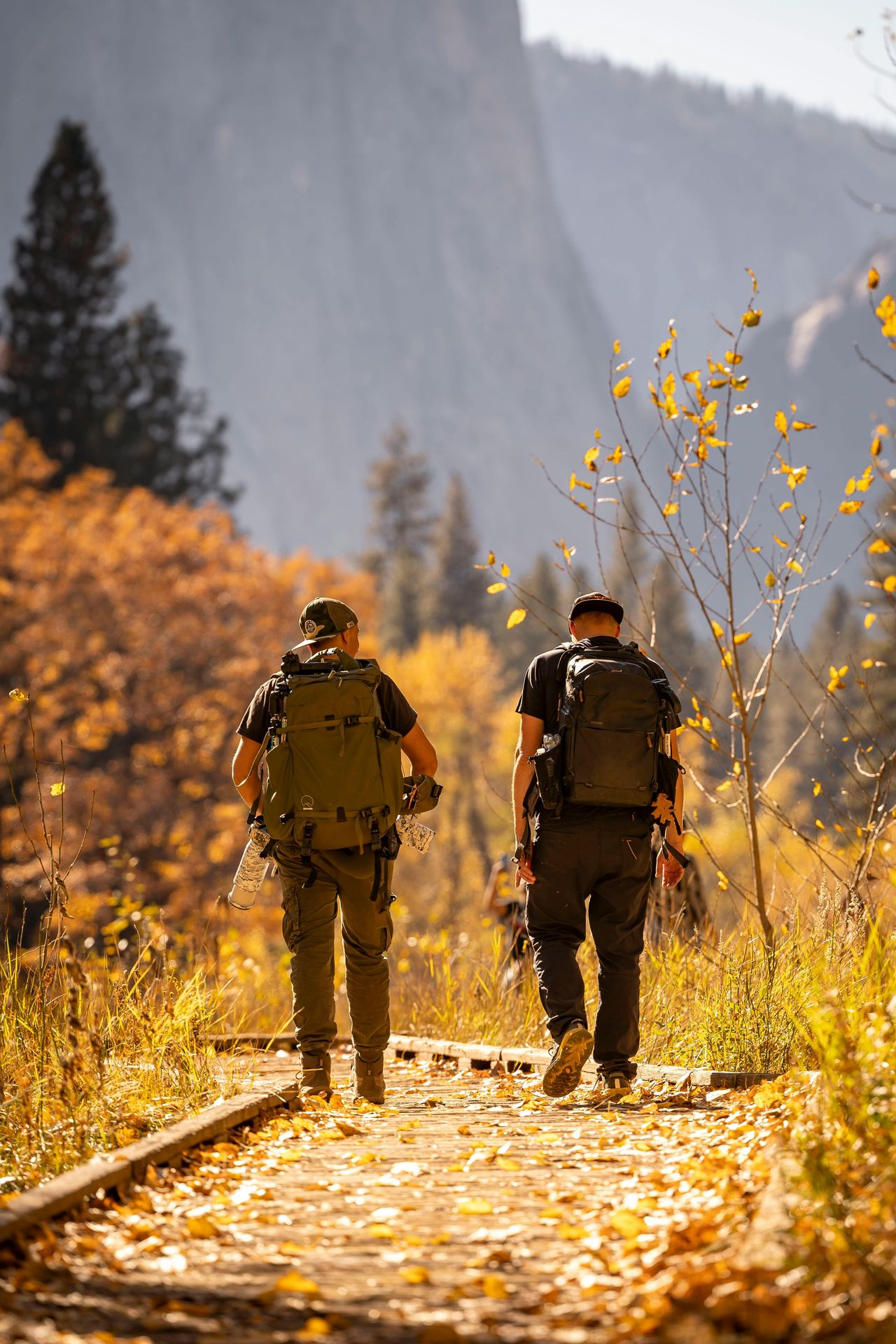
Some trails change with the weather. This one changed its whole personality.
I hiked the same trail across four seasons to see what was hype, what was real, and whether timing matters as much as hikers say it does. It turns out timing matters a lot.
Why I kept going back to the same trail

I picked Yosemite’s Four Mile Trail because it is famous, demanding and unusually honest about what it asks from people. The National Park Service lists it as a steep 9.6-mile round trip with about 3,200 feet of elevation gain, a hike that usually takes 6 to 8 hours. It climbs from Yosemite Valley toward Glacier Point and packs in the kind of views that make even regular people start talking like landscape poets. From the start, the trail offered a clean test. Same route, same body, same basic plan. Only the season changed.
That matters more than many casual hikers realize. The Park Service says the trail typically opens sometime in May and often begins closing below Union Point after significant snow accumulation, usually by November or December. In winter, the entire trail may close after major storms, and even when the lower section stays accessible, officials warn it can be icy and slippery through winter and early spring. On paper, that sounds like a simple trail-condition note. On the ground, it changes nearly everything, from pace to gear to whether the day feels joyful or like a long argument with gravity.
I did not set out to prove some big philosophical point. I just wanted to know if people romanticize seasonal hiking, or if the same path really can deliver four different experiences. Anyone who hikes regularly in the U.S. already suspects the answer. Federal land managers have spent years warning that seasonal hazards are not cosmetic. Heat, ice, washed-out crossings, short daylight and mud all shape what a trail gives you back. The Forest Service has also noted that trails in colder climates are heavily affected by freeze-thaw cycles, which influence both surfaces and user experience.
So I went in spring, then summer, then fall, then winter conditions. I packed a little smarter each time, paid more attention to ranger warnings, and learned quickly that a famous trail is never just a line on a map. Great Smoky Mountains National Park puts it simply in its hiking guidance: every season offers a new experience. That sounded like brochure language when I first read it. After four hikes, it felt less like marketing and more like a warning label.
Spring was beautiful, messy and a little deceptive
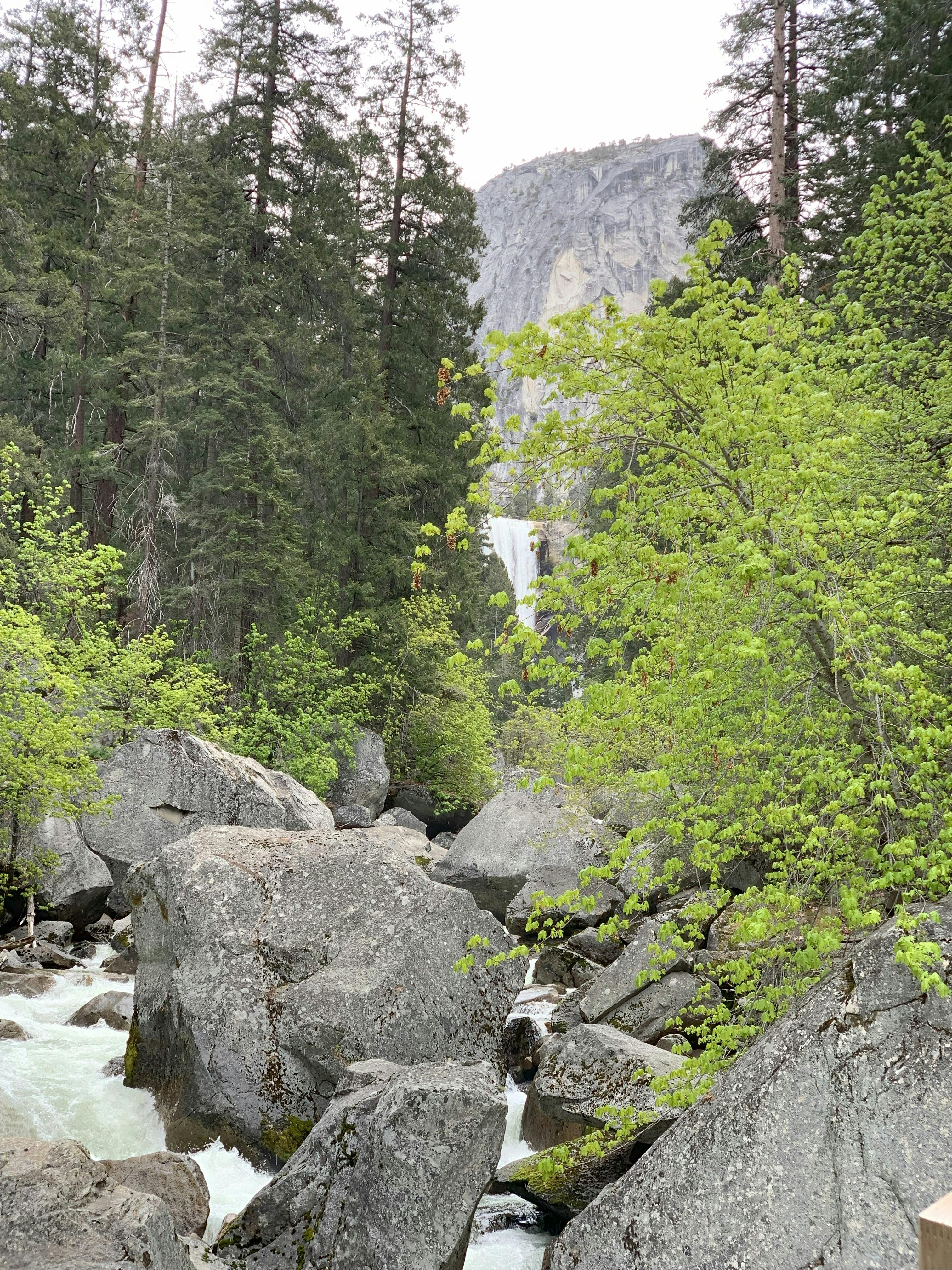
Spring was the one that almost tricked me into thinking I had the whole project figured out early. The valley felt alive, the light was soft, and every overlook seemed to come with fresh green contrast against all that granite. Water moved loudly everywhere. Even before the trail settled into its long climb, the season gave me what people usually want from a spring hike: energy, color and the sense that the landscape was waking up right in front of you.
But spring also turned out to be the season most likely to smile while setting little traps. The Park Service warns that the lower section of Four Mile Trail can be very icy and slippery in winter and early spring, and that matched what I saw. Patches of shade held onto cold in a way that felt unfair. One dry-looking stretch would be followed by slick ground around the bend. Elsewhere in the national park system, officials make the same point again and again. In North Cascades National Park, for example, spring conditions can still mean snow-covered passes, hidden holes under softening snow, downed trees and washouts before crews clear the routes.
That unpredictability changed how I moved. I stopped trusting the day just because the temperature was pleasant at the trailhead. I paid closer attention to the ground, slowed my pace and found myself doing the annoying but necessary mental math of spring hiking: Is that puddle shallow, muddy, frozen underneath, or all three? Even where the trail itself stayed passable, spring asked for a little humility. It was not dangerous in a dramatic movie way. It was dangerous in a far more common American outdoors way, where people underestimate shoulder-season conditions because flowers are blooming and the parking lot looks cheerful.
Still, I loved it. Spring had motion and surprise. It felt like the mountain was mid-sentence. I came home muddy and weirdly proud of myself, which is one of hiking’s more embarrassing side effects. If someone asked me whether spring was worth it, I would say yes with almost no hesitation. You just have to treat it like a season that has not fully made up its mind yet.
Summer gave me the clearest answer, and the hardest climb
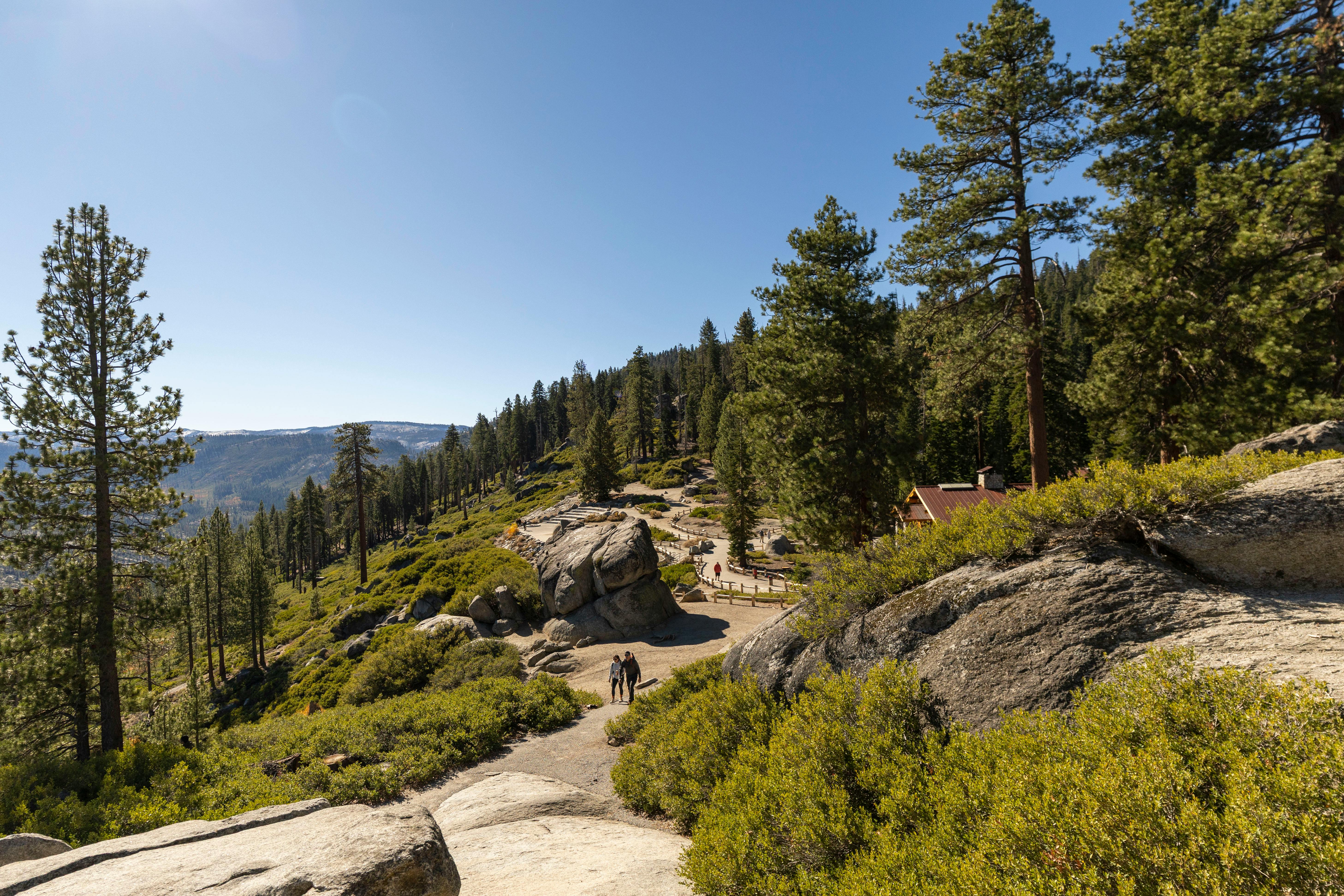
Summer was the most straightforward version of the trail and, in some ways, the most useful one for comparison. By then, Four Mile Trail is generally in its normal hiking season, with the route open and the upper destination functioning the way people imagine it should. The views were huge, the footing was more predictable, and the day felt less like a negotiation with changing conditions. If someone had never hiked it before and asked me for the safest bet, summer would be the easy answer, with one very large asterisk.
That asterisk is heat. The National Park Service tells hikers to start early because this trail can become very hot by midday, and to carry 2 quarts of water for a one-way hike or 4 quarts for a round trip. That is not cautious bureaucracy talking. It is practical survival math. Across the national park system, heat remains one of the most common reasons good hikes turn into bad stories. Grand Canyon officials say they assist more than 600 hikers during hot summer months and repeatedly warn people not to hike in the heat of the day. Yosemite is not the canyon, but the underlying lesson carries over. Exposure and elevation gain do not care whether you are on vacation.
I felt that on the climb. Summer removed a lot of ambiguity, but in exchange it made the physical demand impossible to ignore. The switchbacks were honest, the sun was not. By late morning, every sip of water felt pre-assigned to a future problem. I understood why this season attracts the biggest crowds and also why so many people get humbled by famous hikes that look manageable on a screen. Summer is the version of the trail that photographs best and explains least.
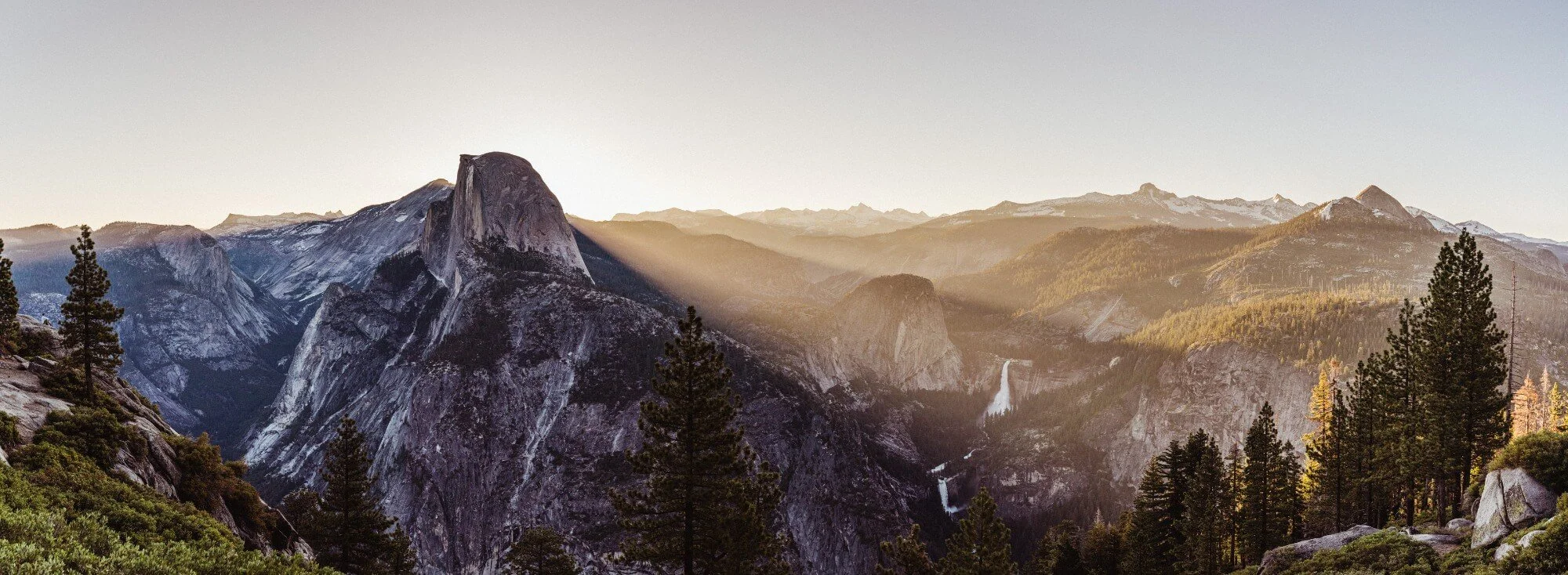
And yet, if I am being fair, it was also the season that gave the route its cleanest beauty. The panoramic views that the Park Service highlights were all there in full force: Yosemite Falls, El Capitan, Half Dome, the deep valley geometry that makes the place feel almost designed rather than formed. Summer did not have spring’s drama or fall’s mood, but it had clarity. It let the trail be exactly what it is, a hard, memorable walk in one of the country’s most recognizable landscapes. I finished tired, dusty and fully convinced that summer was worth the sweat.
Fall was the sweet spot I did not expect to love most
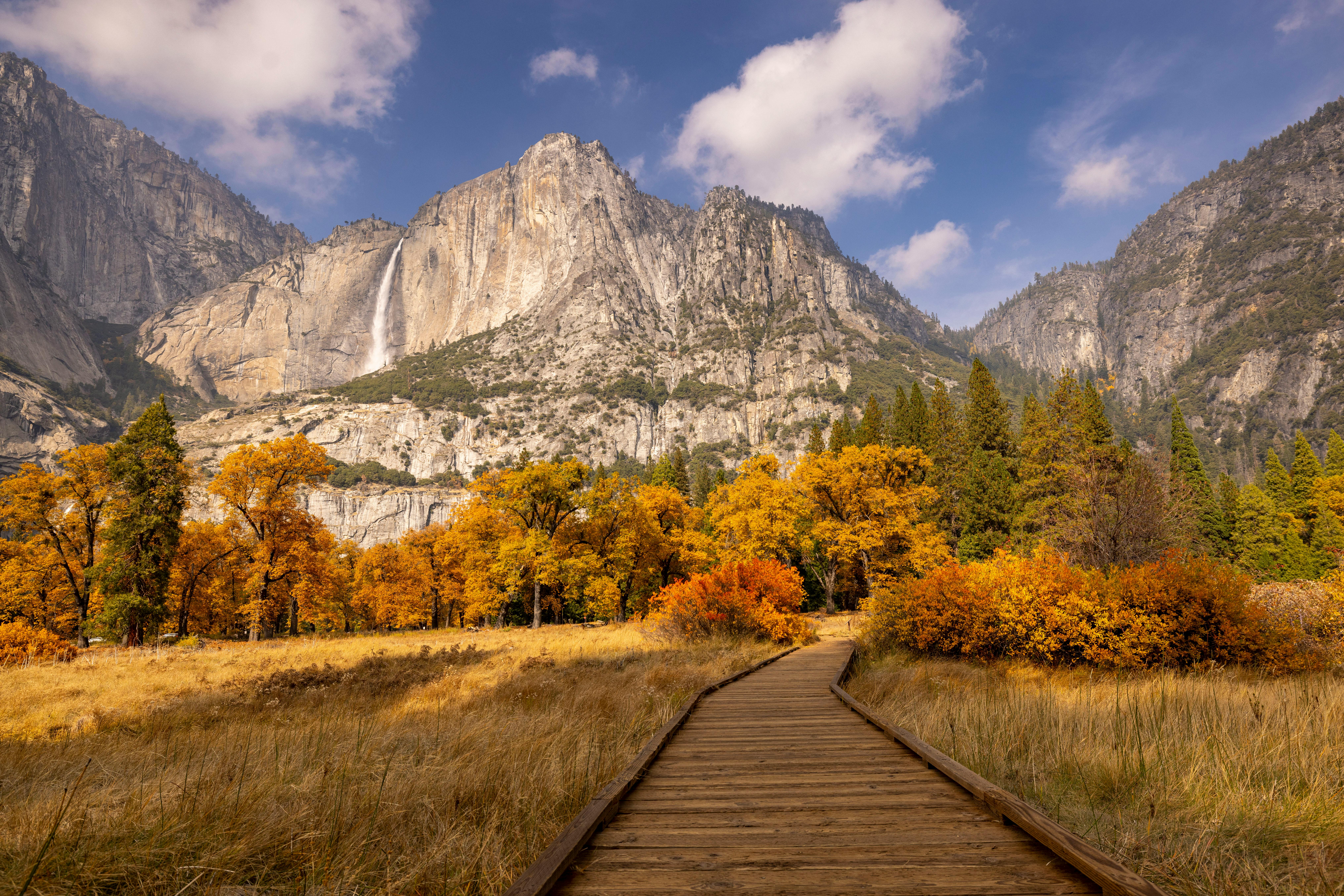
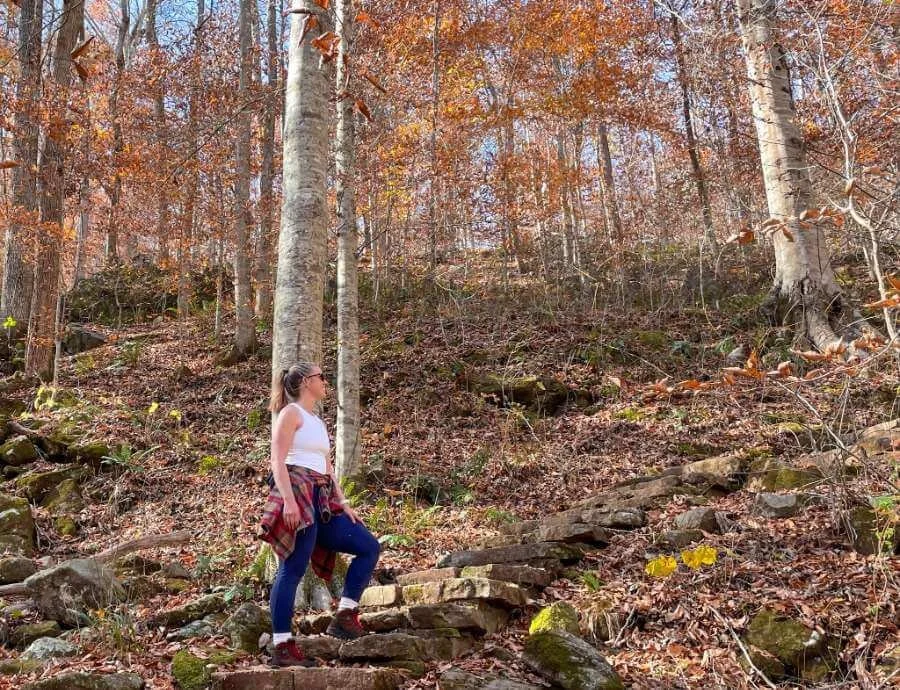
Fall was the surprise winner, and I say that as someone who usually distrusts any seasonal ranking that sounds too perfect. But the minute I started climbing, the whole day felt balanced in a way the other seasons did not. The air was cooler, the effort felt more manageable, and the trail seemed to settle into itself. I was not dodging spring leftovers or bracing for peak summer heat. I could just hike, which is a surprisingly rare gift on a well-known trail.
There is a reason so many public land agencies and hiking guides talk about autumn as a prime season. Great Smoky Mountains National Park describes fall as a time for crisp, dry air and a rich palette of color, and while Yosemite’s look is different from the Smokies, the broader point holds. Fall often offers the best trade-off in American hiking: decent access, lower heat, and a calmer atmosphere before winter starts closing doors. Great Basin National Park says fall usually means good access with fewer crowds than summer. That line stayed in my head because it fit what I was feeling almost exactly.
The mood changed too. Summer can make a famous trail feel like a public event. Fall made this one feel personal. There were still other hikers, but the energy was softer. People seemed less frantic, less determined to conquer something before lunch. I noticed more conversation, more stopping, more simple appreciation. It felt less like everyone was trying to beat the trail and more like they were willing to meet it where it was. That shift matters. Trails are physical places, but they are also social spaces, and season changes the culture on them.
If I had to send a friend for one hike on one day, fall would get my vote. It did not have the lush momentum of spring or the full-throttle grandeur of summer, but it was the most livable version of the route. My legs felt stronger. My patience lasted longer. Even the descent, usually the part where your knees begin filing formal complaints, felt manageable. Fall did not shout. It did not need to. It quietly made the strongest case for coming back.
Winter was the one that was not worth it
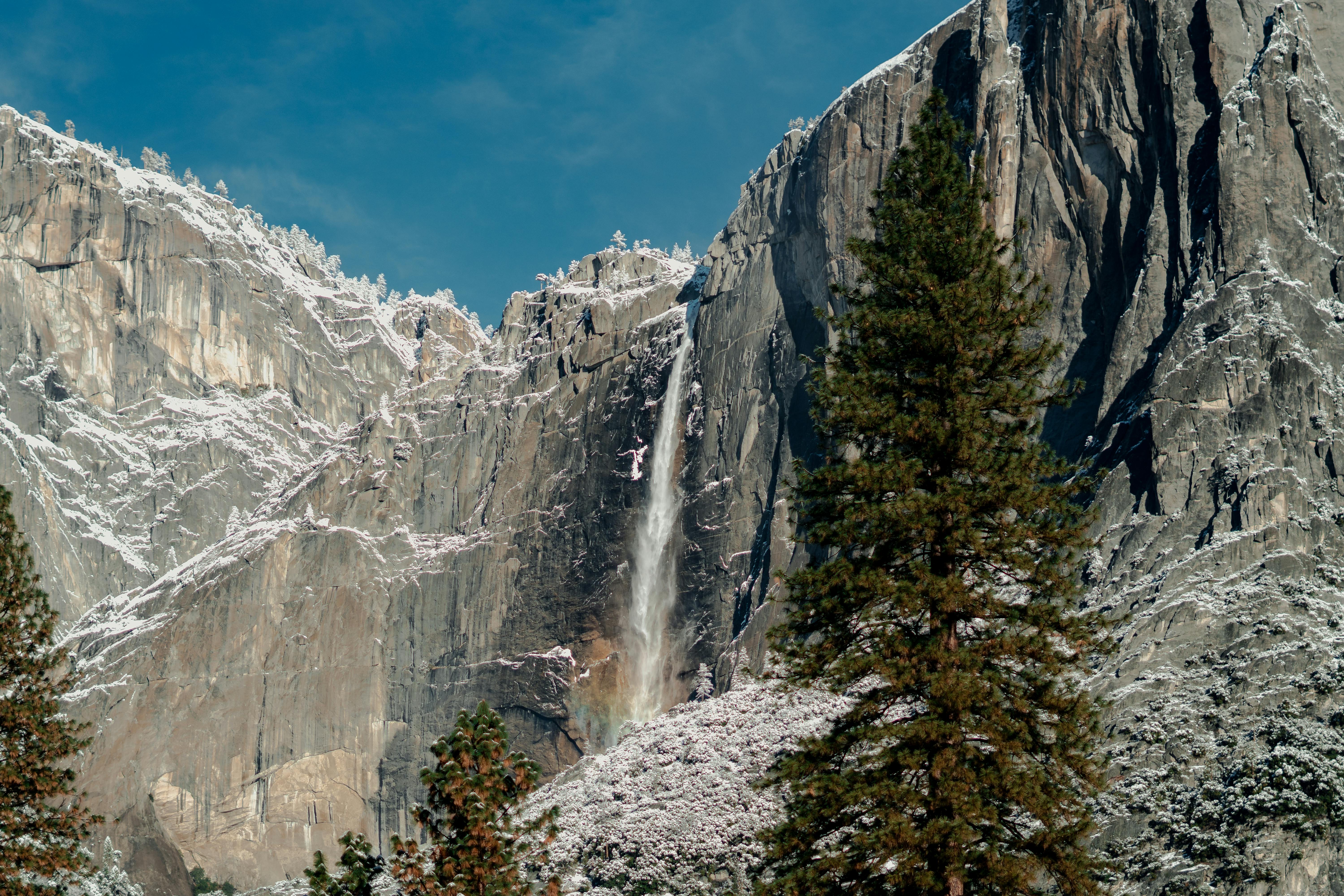
Winter was the season that answered the original question with a hard no. Not because winter landscapes are ugly. They are not. Not because cold-weather hiking is automatically bad. It is not. The problem was that this particular trail, in this particular season, gave me too little reward for too much hassle and too much risk. The same Park Service guidance that had sounded technical on my first read now felt bluntly accurate. The trail often closes in whole or in part after snow accumulation, and the lower section can be icy and slippery through winter and early spring. That was not a side note. That was the story.
Winter hiking advice across the national park system backs that up. Mount Rainier warns that hikers should not expect to cover the same distance in winter as in summer because daylight is shorter and conditions are more difficult. The Park Service also recommends traction devices on snow and ice, noting that winter trails can look completely different from their summer versions. At Grand Canyon, officials warn that mud and ice can become major concerns in late winter and spring melt periods. None of this is abstract. Once your footing becomes uncertain, the whole rhythm of hiking breaks down. You spend less time enjoying where you are and more time trying not to make a stupid mistake.
That was my day in a sentence. I moved slower, saw less, worried more and enjoyed it less. The beauty was there in flashes, but not enough to outweigh the constant friction. Every useful instinct from the other seasons had to be adjusted. Distance felt longer. Shade felt colder. A nice overlook did not erase the awkward, tense miles before it. By the end, I was not filled with winter wonder. I was just done.
So yes, I hiked the same trail in four seasons, and one of them was not worth it. For me, that was winter. Spring was lively and tricky. Summer was punishing but glorious. Fall was the best overall. Winter felt like paying premium price for partial access to the same story, only with worse footing and less fun. Maybe that is not romantic, but it is honest. And if you are choosing when to go, honesty is more useful than romance.