Stepping into the wilderness requires more than just a sense of adventure.
It demands gear that balances durability with a light footprint on the earth.
Essential Gear for the Wild
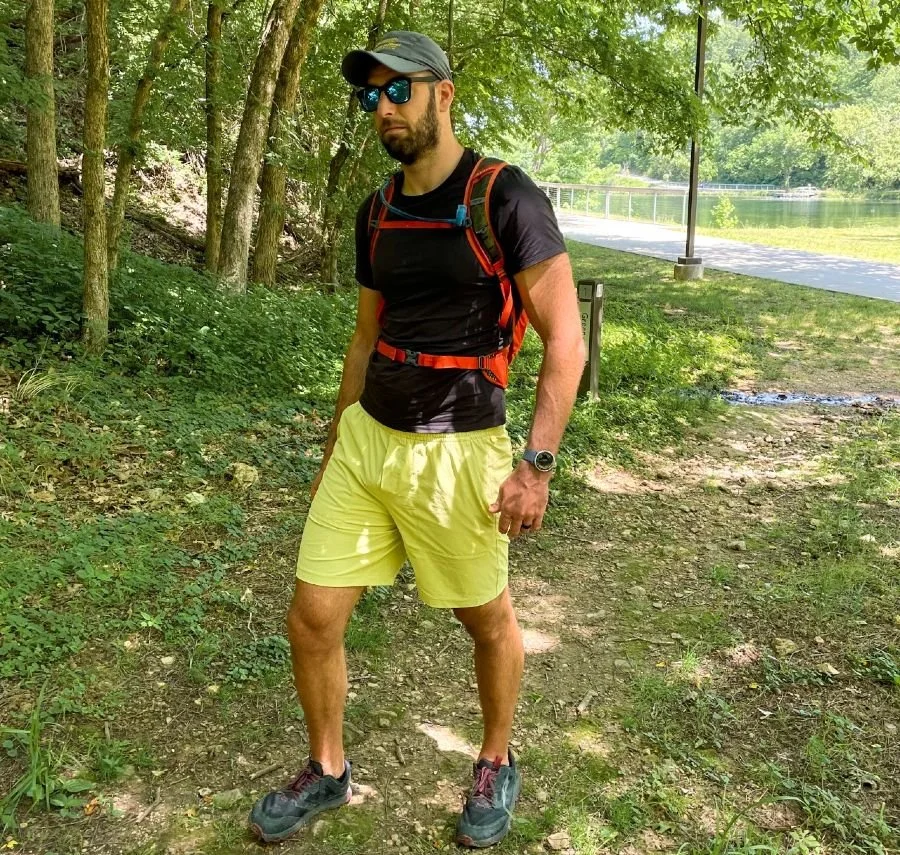
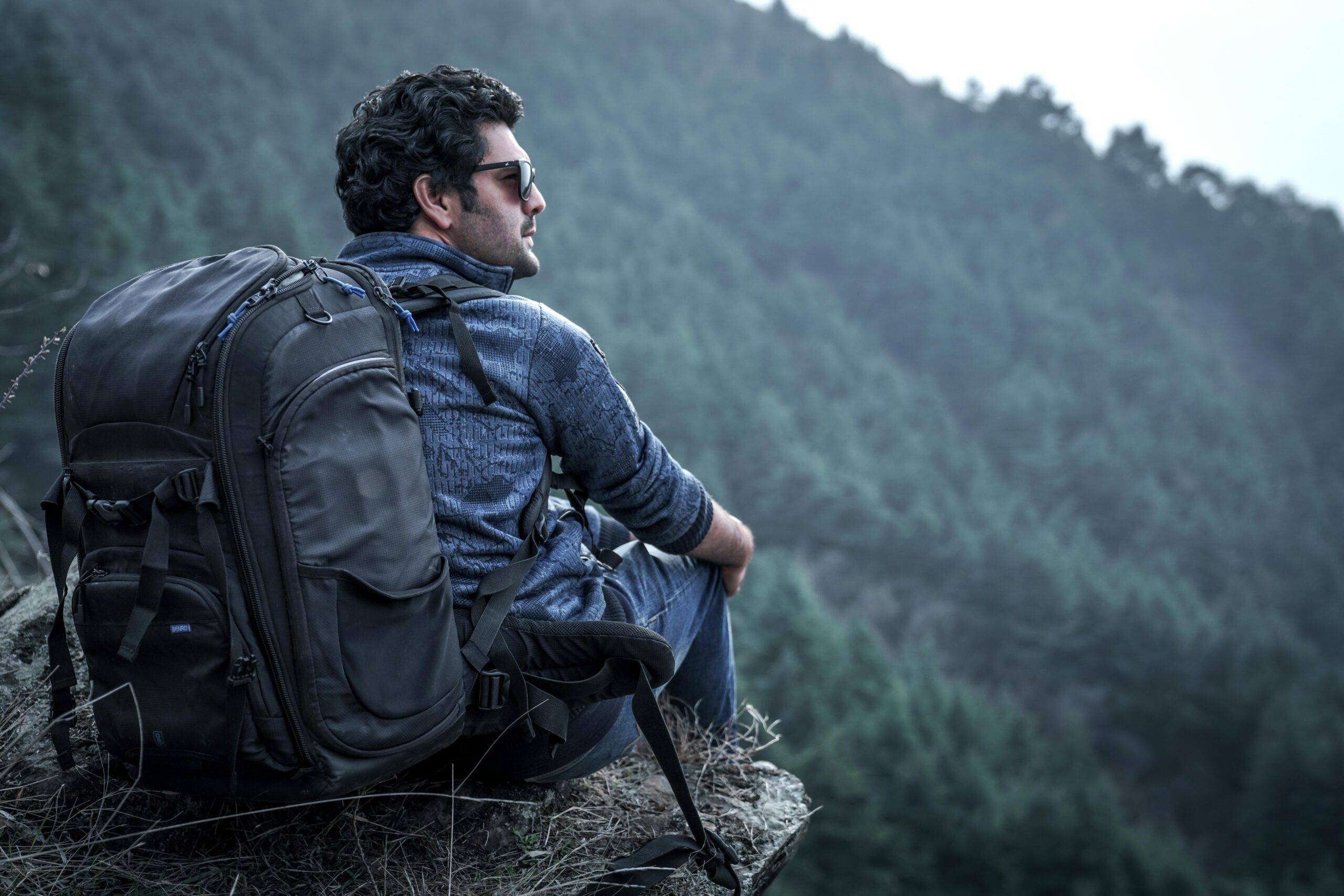
Start with a high-quality, ergonomic backpack that distributes weight across your hips.
A 25-liter pack is usually perfect for day hikes in most terrains.
Invest in a pair of broken-in, waterproof hiking boots to prevent blisters.
Quality footwear is the most critical barrier between you and a ruined trip.
Don’t forget a versatile, multi-layered clothing system to handle shifting weather.
Moisture-wicking base layers are essential for keeping your skin dry and warm.
Navigation and Safety Tools

Modern explorers benefit from advanced technology that keeps them on the right path.
Download offline maps on your smartphone before you lose cellular reception.
Carry a portable power bank to ensure your GPS remains active all day.
Always pack a compact first-aid kit tailored for outdoor injuries like scrapes.
A simple emergency whistle can be a literal lifesaver if you get separated.
Sustainable Packing for the Eco-Conscious
True nature lovers leave the places they visit better than they found them.
Replace single-use plastics with a durable, filtered reusable water bottle.
This allows you to drink safely from streams while reducing plastic waste.
Opt for solid toiletries like shampoo bars to save space and avoid leaks.
These concentrated formulas often use biodegradable ingredients that won’t harm local soil.
The “Leave No Trace” Kit
Include a small, sealable bag to carry out all your trash and scraps.
Even biodegradable items like fruit peels can disrupt local mountain ecosystems.
Pack a reef-safe, mineral-based sunscreen to protect your skin and the water.
Chemical filters in standard sunscreens can be toxic to delicate aquatic life.
Enhancing Your Connection to Nature

The best trips are about deep reflection rather than just ticking off sights.
Bring a pair of lightweight binoculars to observe wildlife from a respectful distance.
Getting too close can stress animals and put your personal safety at risk.
Carry a small journal to document the unique sounds and sights of the forest.
Writing by hand helps you slow down and truly absorb your surroundings.
Finally, remember that the most important item isn’t in your bag—it’s your mindset.
Approach the wild with patience, respect, and a willingness to listen.